Application Field:
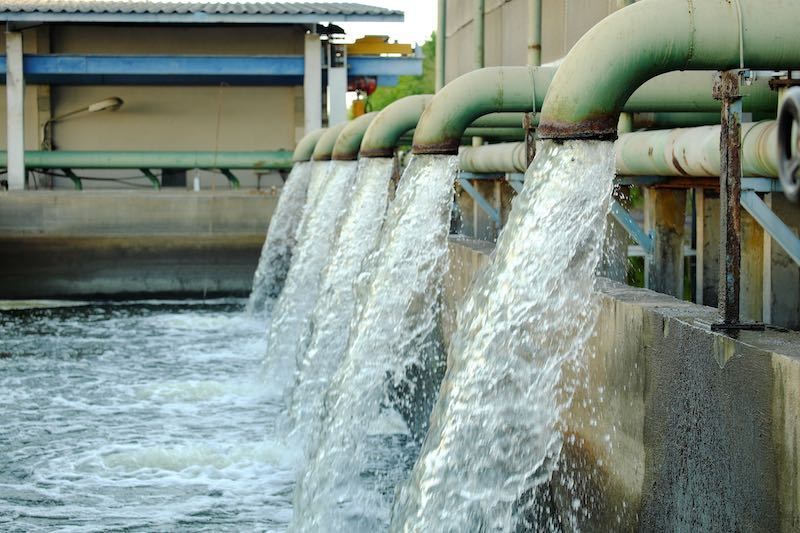
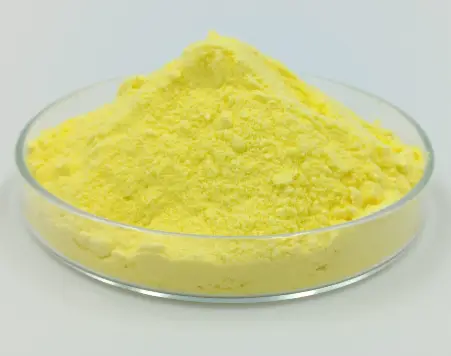
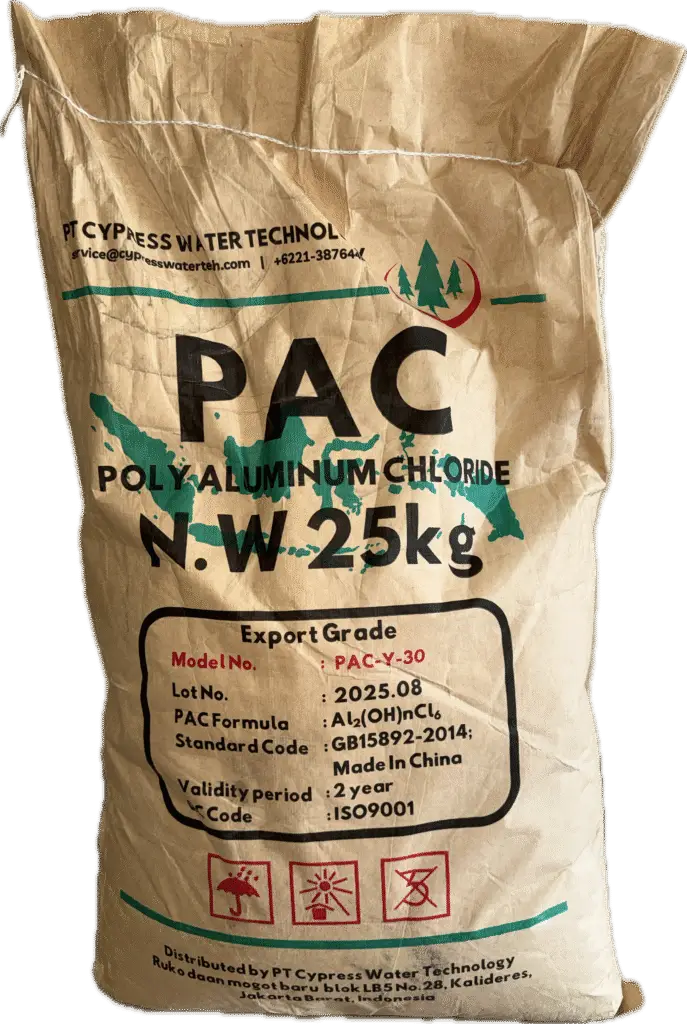
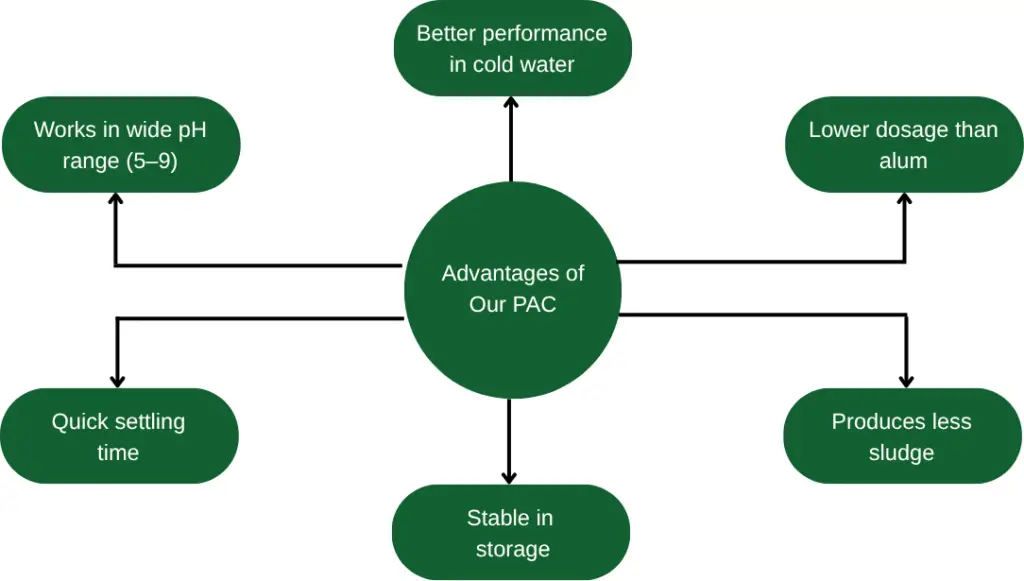
Industry grade poly aluminum chloride (PAC) is a highly adaptable and effective coagulant, widely utilized across multiple industries for water and wastewater treatment. Its strong performance in impurity removal, solid-liquid separation, and water clarity enhancement makes it a go-to solution in a variety of sectors.
- Industrial Wastewater Treatment PAC is commonly used to treat wastewater from various manufacturing industries, including textiles, printing, dyeing, and food production. It helps eliminate suspended particles, reduce organic load, and remove heavy metals,ensuring treated water meets regulatory discharge limits.
- Mining and Metallurgical Processes In the mining and metal refining industries, PAC assists in the separation and recovery of valuable minerals. It is also effective in purifying process water and managing wastewater, supporting environmentally responsible disposal practices.
- Pulp and Paper Manufacturing Within the paper and pulp sector, PAC improves pulp clarification, leading to better paper quality and reduced usage of additional chemicals during production.
- Oil and Gas Industry PAC is used in this sector to clarify drilling fluids and treat oily wastewater. Its application supports cleaner extraction processes and helps reduce the environmental impact of waste byproducts.
- Municipal Water and Wastewater Treatment Although designed primarily for industrial use, certain PAC grades are suitable for municipal applications, including sludge thickening and improving water clarity for non potable reuse purposes.